
Insights
Practical notes on colour, dispersion and compliance from the Flychem laboratory.


PlasticsChoosing the right masterbatch carrierWhy the carrier matters as much as the pigment, and how to match it to your polymer and process.Read more

CompositesWhy styrene-free colour pastes for compositesHow a non-reactive carrier changes the mixing station, storage stability and cure of polyester and vinyl ester systems.Read more
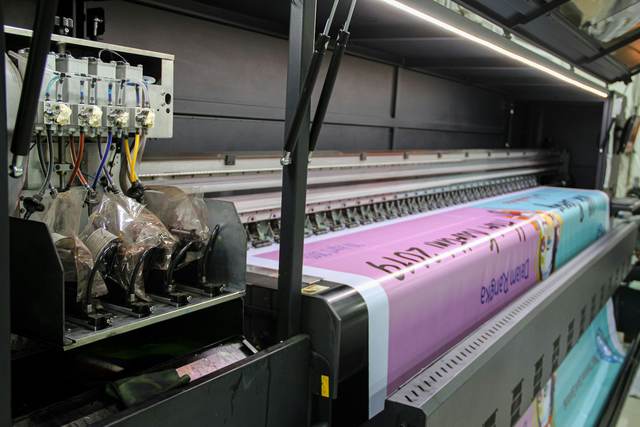
Digital printingInkjet dispersions: why particle size and filtration decide print-head lifeWhat ink makers should look for in a pigment dispersion for aqueous, textile, UV and solvent inkjet inks.Read more

ConstructionColouring concrete: dosage, consistency and efflorescenceHow to get even, lasting colour in pavers, roof tiles and ready-mix concrete.Read more
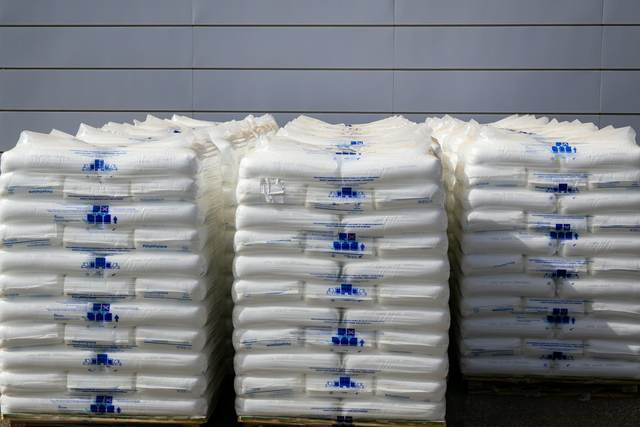
RegulatorySDS and RSS: what each document tells youThe difference between a safety data sheet and a regulatory summary, and when you need each.Read more
PlasticsCool colours: how IR-reflective pigments keep products coolerWhy dark parts heat up in the sun, and how infrared-reflective formulations reduce heat build-up.Read more

EffectsThermochromic pigments: activation temperature and handlingThermochromic pigments change colour at a set temperature and change back when they cool. They make "drink is cold" labels, touch-reveal packaging and heat warnings possible.Read more
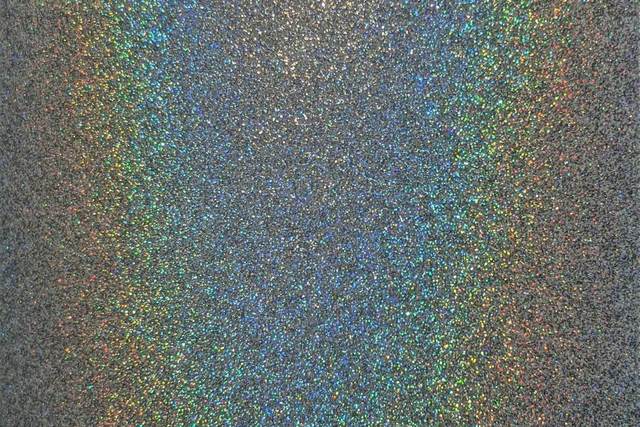
EffectsPearlescent pigments: how interference colour worksPearlescent pigments create lustre and colour shift not by absorbing light but by interference, the same physics that colours soap bubbles.Read more
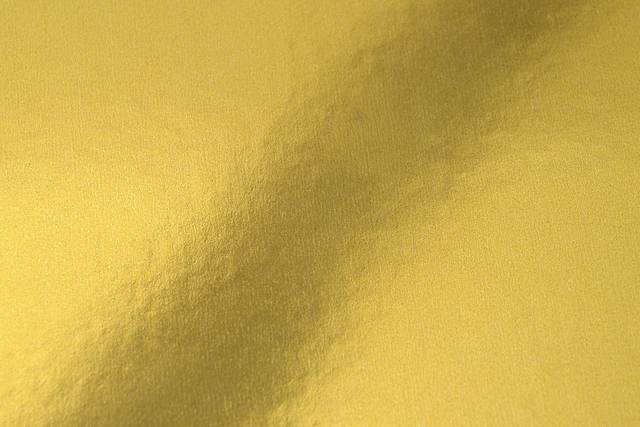
EffectsAluminium pastes: leafing or non-leafing?Aluminium flakes give coatings and inks their metallic brilliance. The first choice is between leafing and non-leafing grades.Read more

WoodWood stains: transparent oxides or dyes?A stain should colour wood and still show its grain. The two main colouring routes behave very differently.Read more

CeramicsDigital ceramic inks: from print head to kilnDigital decoration has made photo-realistic tiles possible. The inks behind it must survive two very different worlds: a precise print head and a kiln above 1,000 °C.Read more
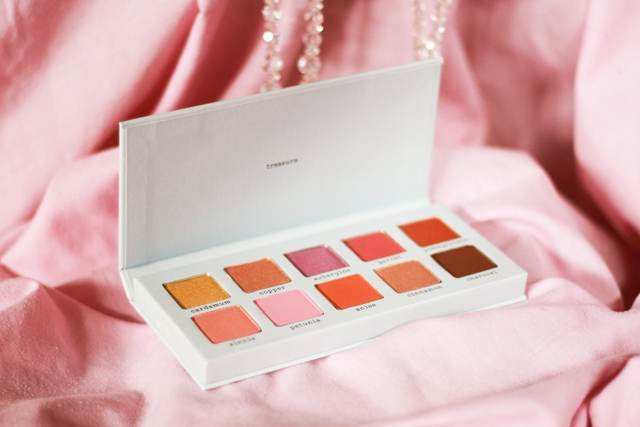
Personal careColouring soaps and cosmetics: what you can useCosmetic colour is regulated: only colorants on the permitted lists may be used, and some only in certain product types.Read more
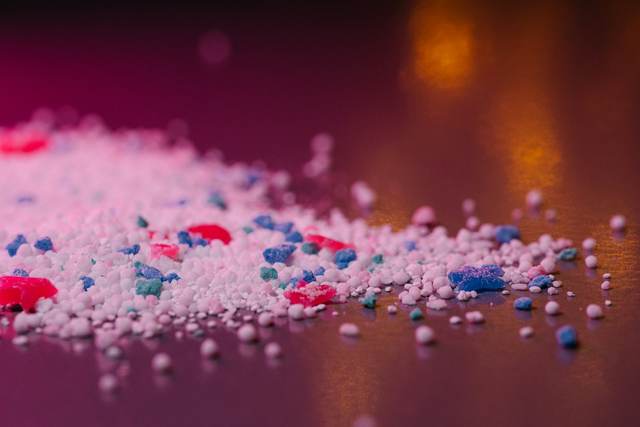
Home careColorants for detergents: surviving pH, bleach and lightColour in a detergent or cleaner signals freshness and brand, but these products are harsh environments for colorants.Read more
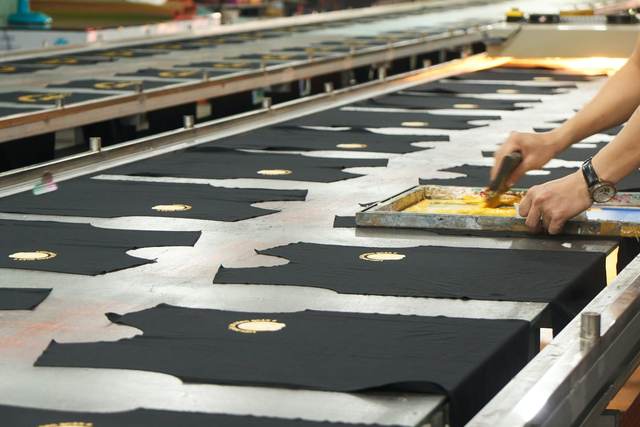
TextilesTextile pigment printing: binder, thickener and curePigment printing is the most widely used textile printing method because it works on almost any fibre and needs no washing after printing.Read more

PaperDirect dyes for paper: dosing and bleed fastnessDirect dyes are the workhorses of paper colouring: anionic, water-soluble and with good affinity for cellulose.Read more

AgricultureWhy colour seeds?Colour on seeds is not decoration. It is a safety and quality tool.Read more
PlasticsFiller masterbatch in film: what it can and cannot doCalcium carbonate filler masterbatch is one of the most common cost-reduction tools in polyolefin film and moulding.Read more

PlasticsUV stabiliser masterbatch: absorbers and HALSSunlight breaks polymer chains. Without protection, polyolefin film and parts become brittle and chalk within months outdoors.Read more

EffectsGlow-in-the-dark pigments: charging and afterglowModern glow-in-the-dark products use strontium aluminate pigments, which glow many times brighter and longer than the older zinc sulphide types.Read more
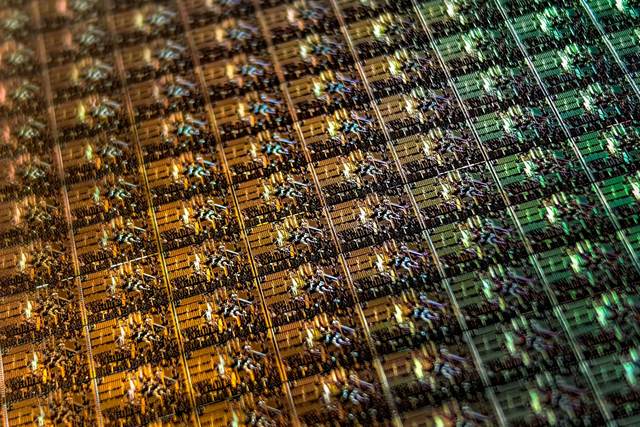
Brand protectionCovert security features for packagingCounterfeit goods cost brand owners revenue and can endanger consumers. Covert features let a brand check genuine packs without the counterfeiter knowing what to copy.Read more
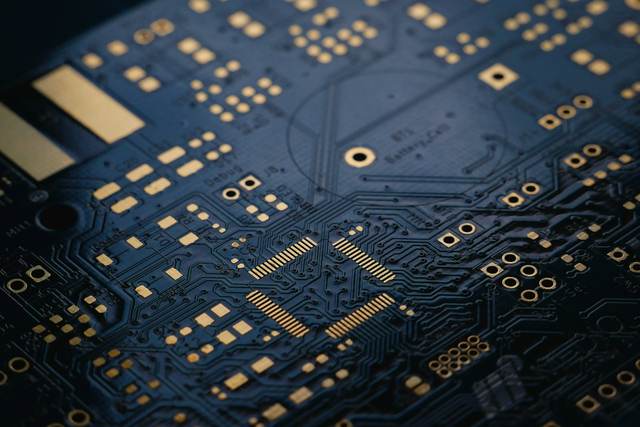
ElectronicsCarbon and PTC inks for printed heatersPrinted heaters are thin, flexible and shaped to fit car seats, mirrors, medical devices and battery packs. They are made by screen printing conductive inks onto film.Read more
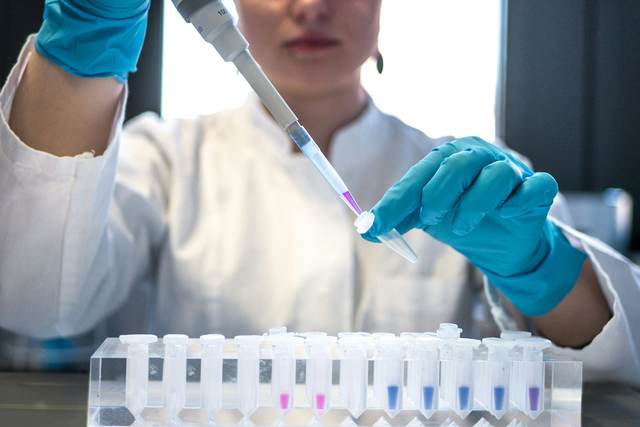
InksChoosing photoinitiators for LED curingUV-LED lamps are replacing mercury lamps because they run cooler, switch instantly and contain no mercury. They emit in a narrow band, typically at 365, 385, 395 or 405 nm, so the photoinitiator package must change too.Read more

InksAmmonia, MEA or TEA? Choosing the amine for water-based inksWater-based flexo and gravure inks use acrylic resins that dissolve only when neutralised with a base. The amine chosen for that job decides much of how the ink behaves on press.Read more
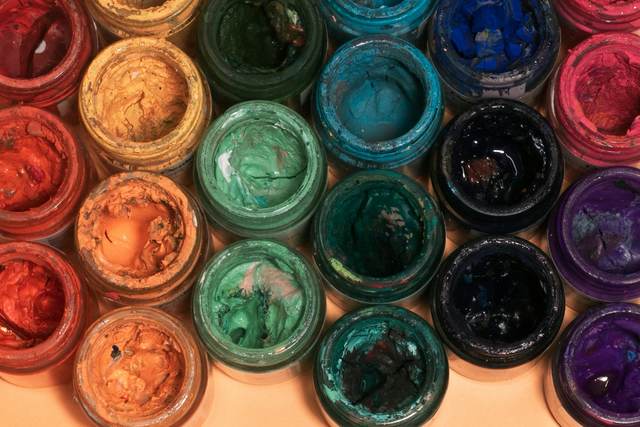
Colour scienceCIELAB and ΔE: how colour is measuredTwo people can describe the same blue differently. Instrumental colour measurement removes the argument by turning colour into numbers.Read more
Colour scienceLight fastness and the blue wool scaleLight fastness tells you how long a colour resists fading. It is one of the first questions in any outdoor or long-life application.Read more
PlasticsBlack masterbatch for pipes: content and dispersionPolyethylene pressure pipes are black for a reason: well-dispersed carbon black is the most effective UV protection for polyolefins.Read more
PlasticsWhite masterbatch: choosing the titanium dioxide levelWhite masterbatch is the largest single colour in plastics. Its performance depends mainly on the grade and amount of titanium dioxide.Read more
RegulatoryColourants for food-contact plastics: the basicsColoured food packaging, containers and kitchenware must meet food-contact rules. Colourants are only part of the picture, but they are often asked about first.Read more

CompositesColouring platinum-cure silicones without cure inhibitionAddition-cure silicones use a platinum catalyst that is easily poisoned. A wrong colour paste can leave a surface tacky or uncured.Read more

PackagingWater-based heat-seal coatings for paper and filmHeat-seal coatings let paper, board and film be sealed to themselves or to another material without a separate adhesive. Water-based versions avoid solvent emissions and can support recyclable designs.Read more
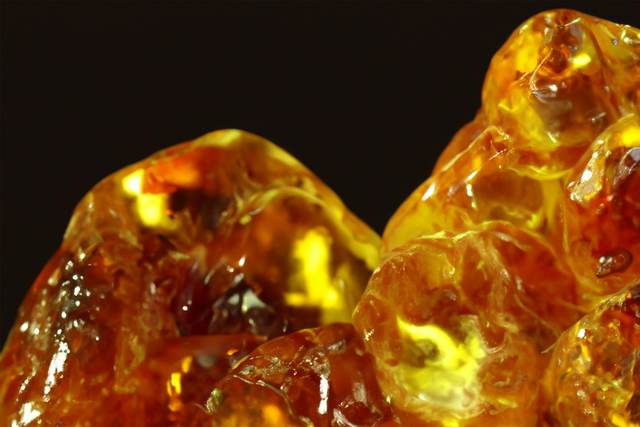
InksKetonic resins in printing inks and lacquersKetonic resins are hard resins made by condensing cyclohexanone with an aldehyde. Small additions improve many solvent-based inks and lacquers.Read more
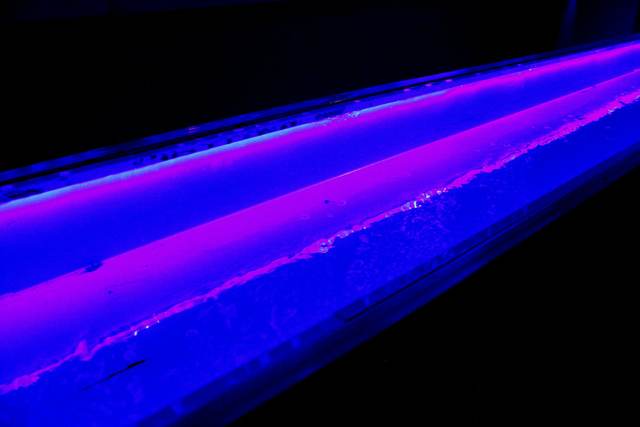
InksChoosing UV monomers: functionality and propertiesMonomers in UV inks and coatings reduce viscosity and become part of the cured film. Their functionality, the number of acrylate groups per molecule, drives the result.Read more
RegulatoryUnderstanding GHS hazard pictogramsThe red-bordered diamonds on chemical labels are GHS pictograms. Each one stands for a group of hazards.Read more
Colour scienceColour matching: from your standard to an approved batchA good colour match is a process, not a single lab result. This is how a typical match runs.Read more
PlasticsMasterbatch troubleshooting: specks, streaks and colour driftMost colour problems in plastics come down to a handful of causes. This checklist helps find them quickly.Read more