
Overview
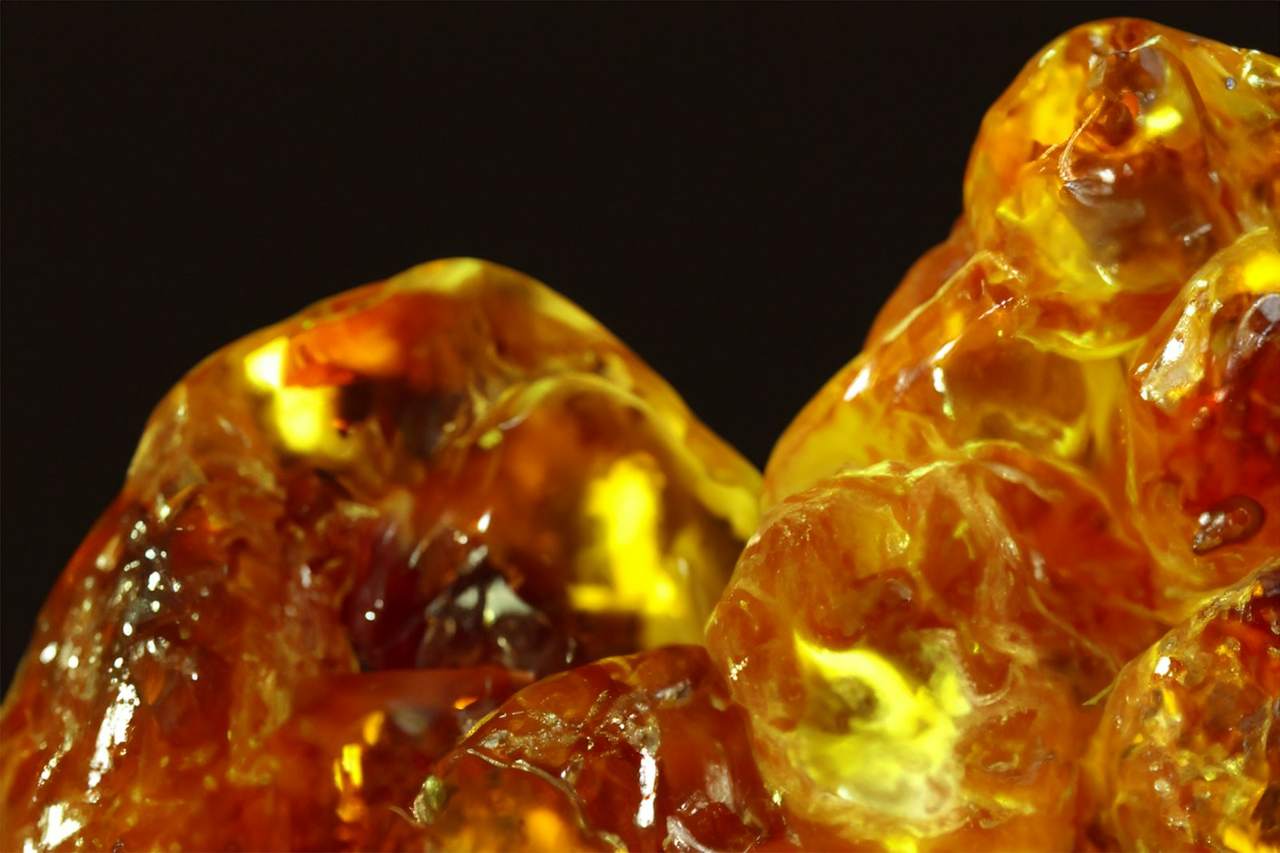
FLYKET ketonic resins are condensation products of cyclohexanone and an aldehyde. As hard resins they raise gloss and hardness, help wet and hold pigment, and improve adhesion and drying in nitrocellulose and other solvent-based systems. Their high oxidative stability keeps colour and viscosity steady in storage.
Grades
| Grade | Form | Melting range | Viscosity, 50 % in solvent, Ford B4 at 30 °C | Typical uses |
|---|---|---|---|---|
| FLYKET KR-100 formerly Flytone 100 | Transparent pearl granules | 85–95 °C | 18–20 s | Flexo and gravure inks, screen inks, NC lacquers and coatings |
| FLYKET KR-110 formerly Flytone 110 | Transparent pearl granules | 90–98 °C | 18–20 s | Flexo and gravure inks, screen inks, NC lacquers and coatings |
| FLYKET KR-1717 formerly Flytone 1717 | Pale yellow lumps | 90–100 °C | 20–22 s | Ball-point pen inks, lacquers and printing inks |
The ketonic resins are now sold as FLYKET. The name FLYTONE now belongs to our pigment range. Grades, specifications and packing are unchanged; orders under the former Flytone grade names are supplied as the matching FLYKET grade.
What they bring
- Higher gloss and film hardness
- Better pigment wetting and colour strength
- Improved adhesion and faster solvent release
- Good compatibility with nitrocellulose, polyamide and many alkyd systems