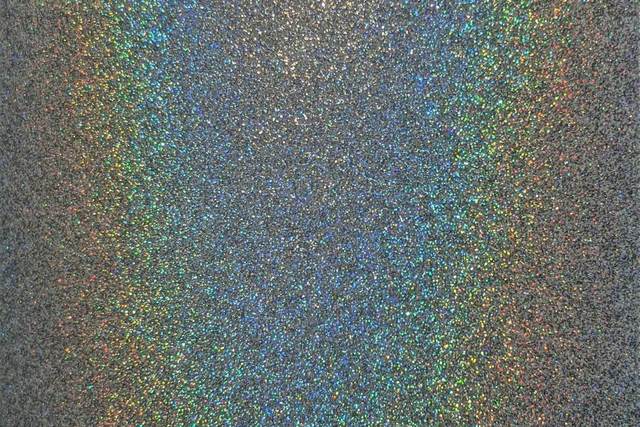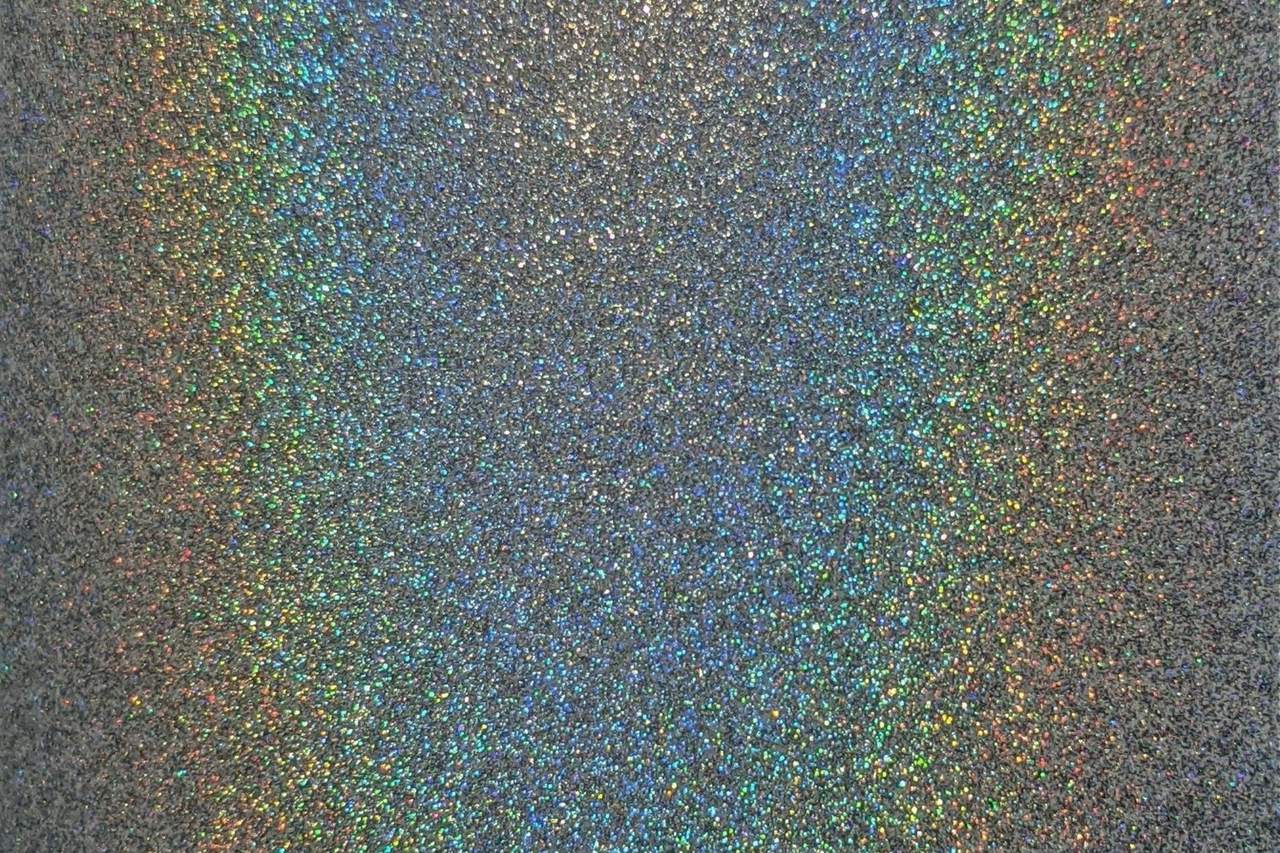
Pearlescent pigments create lustre and colour shift not by absorbing light but by interference, the same physics that colours soap bubbles.
Structure
A thin, transparent platelet of natural mica, synthetic mica or glass is coated with a layer of titanium dioxide or iron oxide. Light reflects from the top and bottom of the coating; the thickness of the layer decides which colours reinforce each other.
Silver, interference and metallic lustre
- Silver-white: thin titanium dioxide layers give a white pearl lustre
- Interference: thicker layers reflect gold, red, blue or green and show the complementary colour at other angles
- Metallic lustre: iron-oxide layers combine absorption and interference for bronze, copper and red-gold tones
- Glass flake: very smooth substrates give sparkle and high purity
Getting the best effect
Platelets must lie flat and stay intact. Add pearl pigments with low shear at the end of the process, use transparent binders and avoid strongly absorbing pigments that hide the lustre. Particle size controls the look: fine grades give a satin sheen, coarse grades give sparkle.