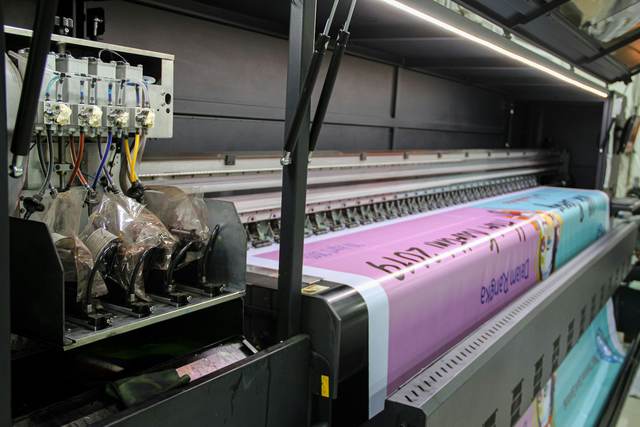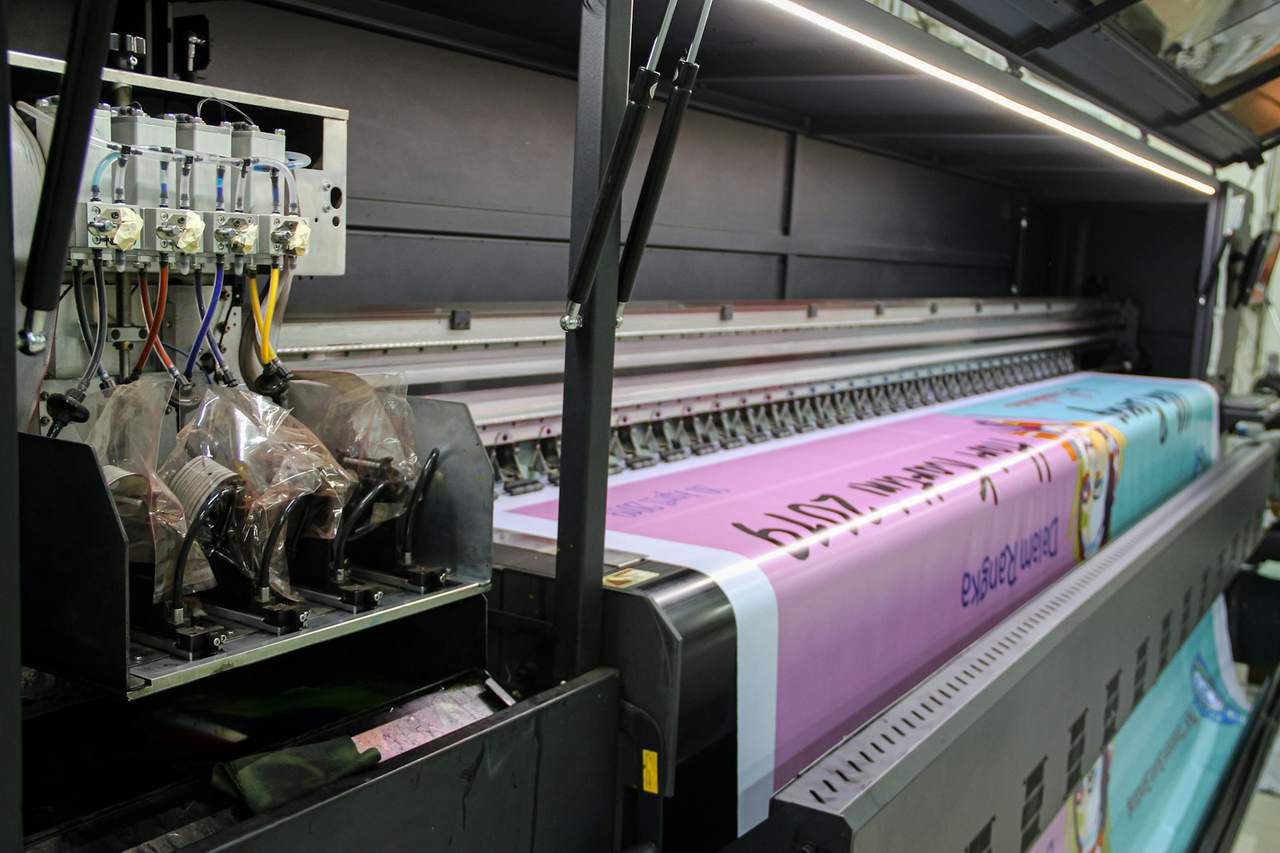
Inkjet nozzles are a few tens of micrometres across, and a single oversized particle can block one. That is why pigment dispersions for inkjet are milled far finer and filtered far tighter than dispersions for analogue inks.
Mean size is not enough
A mean particle size around 100 nanometres gives strong colour and good gloss, but print-head reliability depends on the tail of the distribution. Ask for the D90 or D99 as well as the mean, and for the filtration rating the dispersion has passed.
Stability over time and temperature
Particles that are stable on the day of manufacture can grow in storage. A good test is to hold the dispersion at elevated temperature for one to four weeks and check size and viscosity again. Stable dispersions show little change.
Match the dispersant to the ink vehicle
Aqueous, textile, UV and solvent inks each need a dispersant chemistry that stays compatible with the final vehicle. A dispersion that is excellent in water may flocculate in a glycol-ether solvent ink. Choose the line designed for your ink type and confirm with a let-down test.
From dispersion to ink
- Let down to about 2 to 6 percent pigment in the final ink
- Filter the finished ink to the print-head maker's rating
- Check surface tension and viscosity at jetting temperature